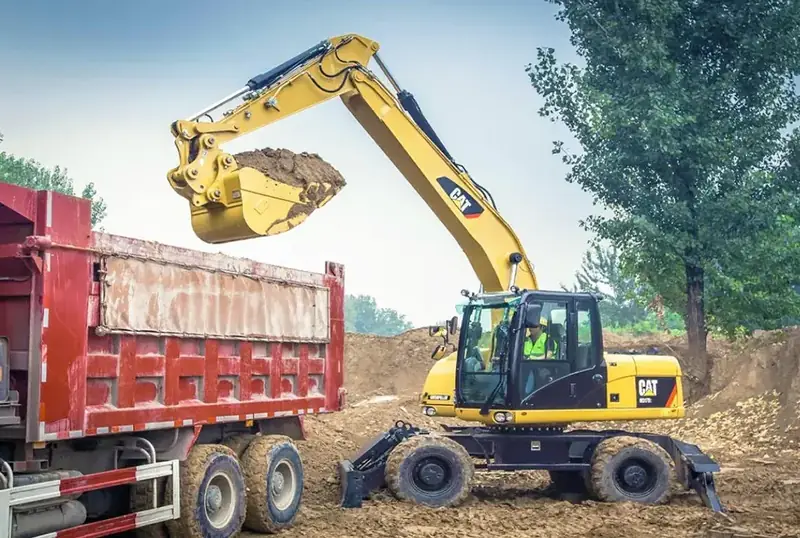
Caterpillar M320D2
Used Caterpillar M320D2 wheeled excavator — reference specifications, condition points and export notes for this model.
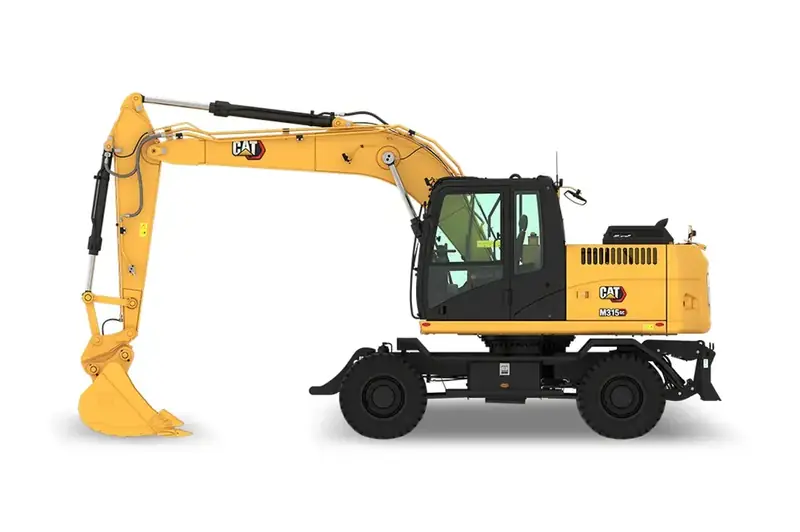
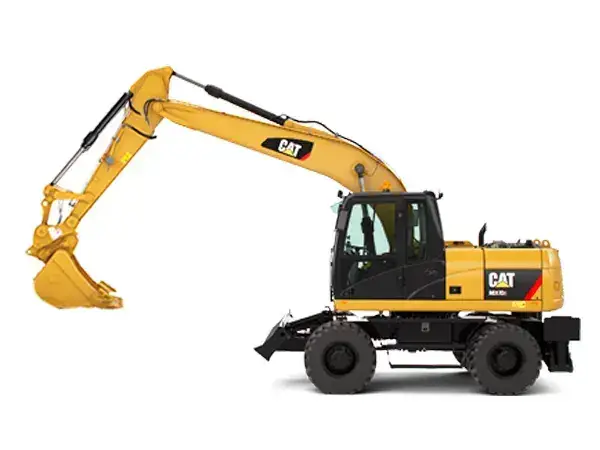
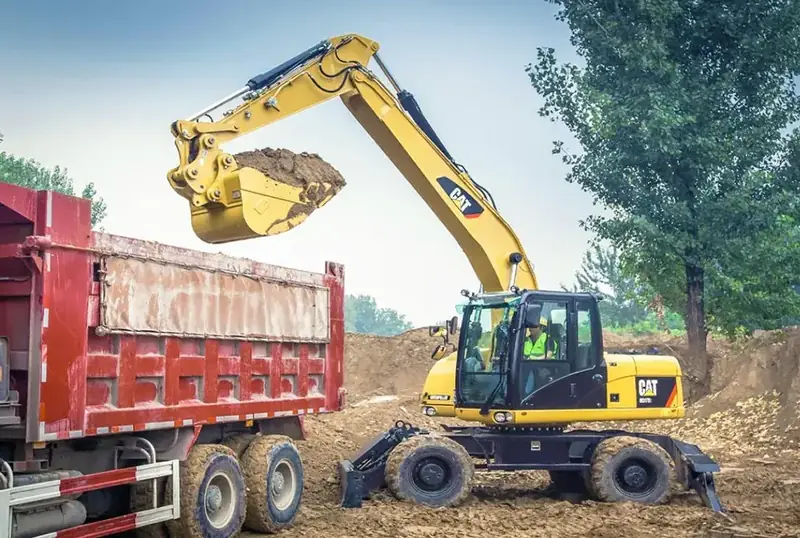
This Caterpillar M320D2 is a wheeled digging excavator suited to larger earthmoving and trenching. It has an operating weight of 19,000kg-19,800kg, a 0.35m3-1.18m3 bucket, 124.0 kW rated power, and an engine as listed.
Description is a class-level reference built from the published specifications above; the exact unit's year, hours and condition are confirmed before payment.
Reference specifications
| Operating weight | 19,000kg-19,800kg |
|---|---|
| Bucket capacity | 0.35m3-1.18m3 |
| Rated power | 124.0 kW |
Buying brief: Caterpillar M320D2
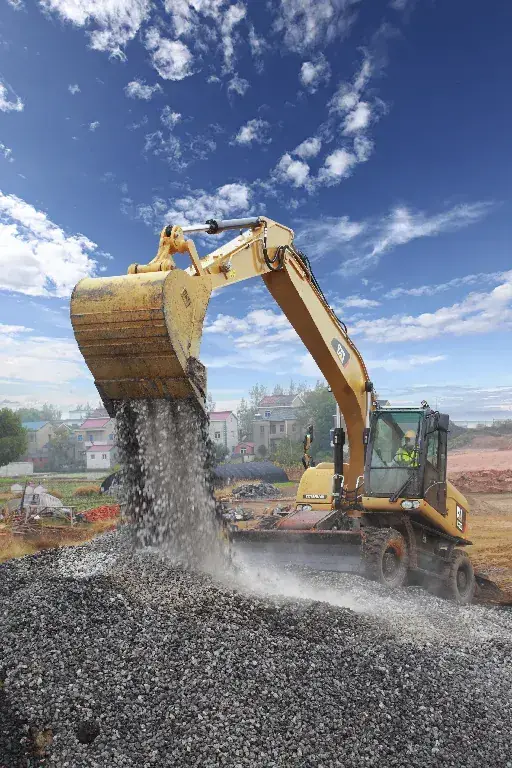
This wheeled digging excavator sits in the 13-20 t class, with an operating weight of 19,000 kg to 19,800 kg, a bucket capacity of 0.35 m3 to 1.18 m3, and a rated power of 124.0 kW. This size suits utility work, road maintenance, trenching, and general construction where the machine must travel between sites on its own wheels. The bucket range allows everything from precise ditching with a narrow bucket to bulk loading with a wider one. Power output is matched to hydraulic demands for digging and travel, making it a versatile tool for contractors who need one machine to handle varied tasks without a truck for every move. On site, the wheeled undercarriage gives this class travel speeds that track machines lack, so it can move between nearby jobs under its own power.
That flexibility comes with trade-offs: stability on slopes and soft ground is lower than on tracks, so the buyer should assess tyre condition and tread pattern, steering play, and the travel lock function. Attachments add weight and reach, which affect balance, so check that the hydraulic system and quick coupler are suited to planned tools. Ground clearance and wheelbase influence maneuverability in tight spaces, and tyre pressure and wear patterns reveal how the machine was used. Before paying, inspect the engine for leaks, smoke, and consistent power delivery, and check the hydraulic system for responsive controls, unusual noise, and cylinder condition. Pins and bushes throughout the boom, arm, and bucket linkage show wear that affects precision and cost to repair.
Wheel hubs and final drives need checking for play and oil leaks, and brakes should stop the machine evenly. Structural cracks around the kingpost, boom pivot, and frame are signs of heavy use or abuse. Service records and a cold start help confirm maintenance history and overall condition. Shipping this size normally uses a flat rack, RoRo, or breakbulk vessel, because the machine's dimensions and weight often exceed container limits. The actual length, width, and height when prepared for transport, along with the destination port's facilities, decide the loading method.
Flat racks suit roll-on or lift-on operations, while RoRo is efficient for wheeled machines that can be driven aboard. Breakbulk may be needed for larger units or when port equipment is limited. The buyer should confirm dimensions with the seller and check which services the receiving port handles.
Common questions
Is a used Caterpillar M320D2 available right now?
What does a used Caterpillar M320D2 cost?
How is a Caterpillar M320D2 shipped from China?
Related reading
How do you inspect a used wheeled excavator?
What does a used wheeled excavator cost?
How are used wheeled excavators shipped from China?
What is included in the price of a used wheeled excavator?
What is tail swing and why does it matter?
How is a wheeled excavator loaded into a container?
How should a wheeled excavator be stored and maintained?
Who can help with financing or a letter of credit?