Choose a wheeled excavator by job
A wheeled excavator is chosen by the work it does, not only by tonnage. Start with the job closest to yours.
Pick the work you do, then the machine.
Most buyers start with a tonnage and end up with the wrong machine. The reference catalogue is organised by brand and size; this section cuts across it by job — because the job decides the size, the attachments and how far the machine has to travel between sites.
- Five job types, from road maintenance to utilities and drainage
- The sizes and brand families we see most for each job
- Every quotation is for a specific unit, not a catalogue number
Road maintenance & municipal
Short jobs, public roads, tight urban space — the wheeled excavator travels itself between them.
6 brands to compare →
Municipal work
Pavements, drainage, street works and utility trenches inside a city.
6 brands to compare →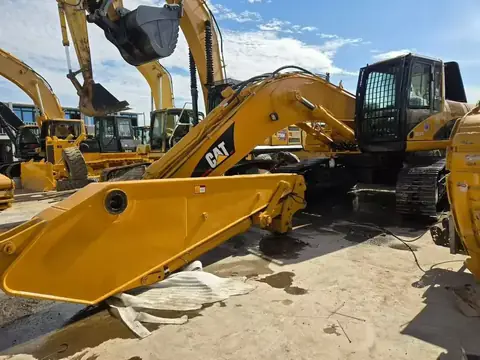
Orchard & farm
Small yards, field drainage, farm roads and general farm work.
6 brands to compare →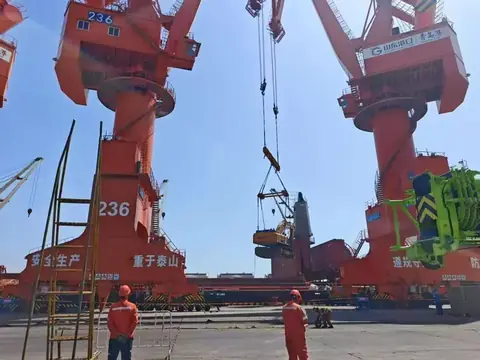
Rental fleet
One machine that repositions fast and serves many small customers.
6 brands to compare →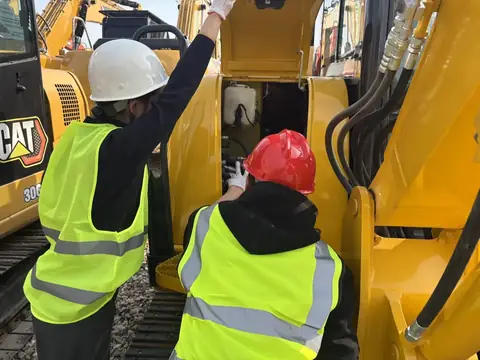
Utilities & drainage
Trenching, pipe laying and site work where tracked machines cannot travel.
6 brands to compare →How to choose by job
Three things decide the machine — the size of the work, how far it travels between sites, and the ground it runs on.
Match the size
6–8 t for lane, pavement and farm work; 13–16 t for drainage and general municipal contracts; 20 t and over for heavy utilities.
How far between jobs
If the machine has to move itself often, a road-capable wheeled excavator saves a low-loader on every move.
Firm or soft
Tyres suit firm, flat ground and paved surfaces. On soft or steep ground a crawler machine is the better tool.
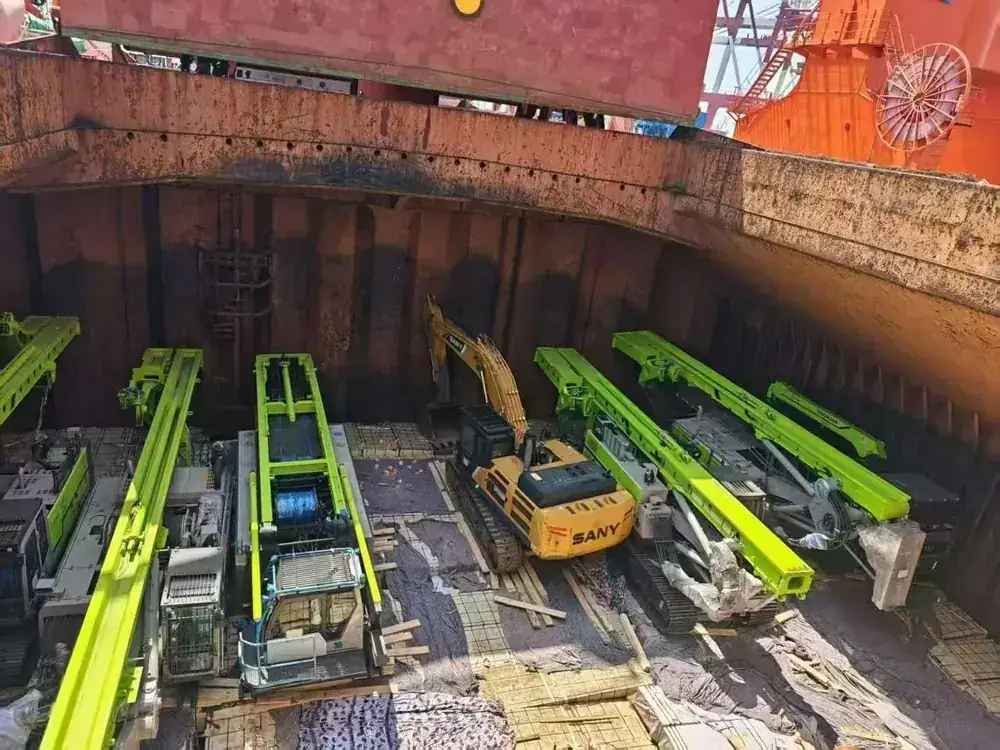
The job decides the machine.
Inspection, documents and loading are handled for the unit you actually buy — FOB China or CIF your port.