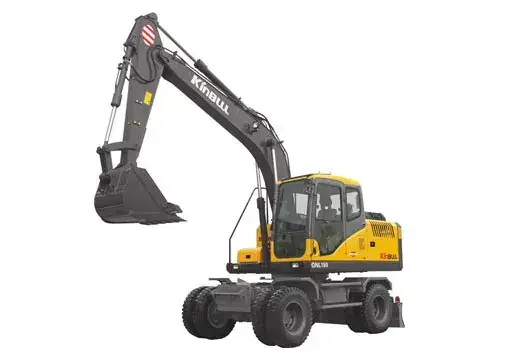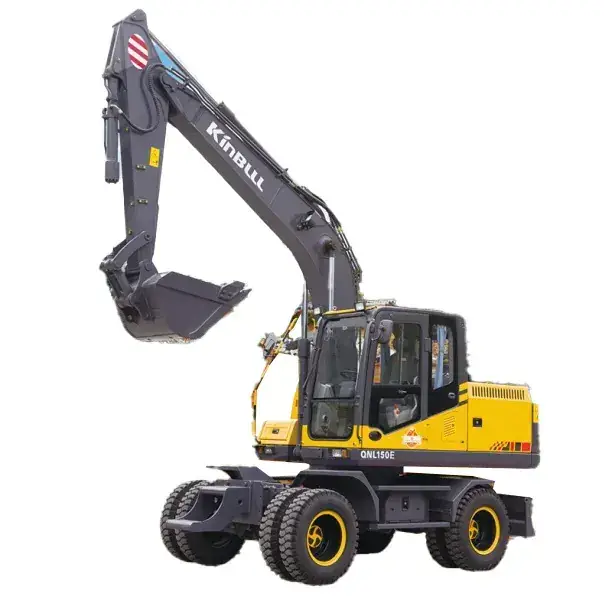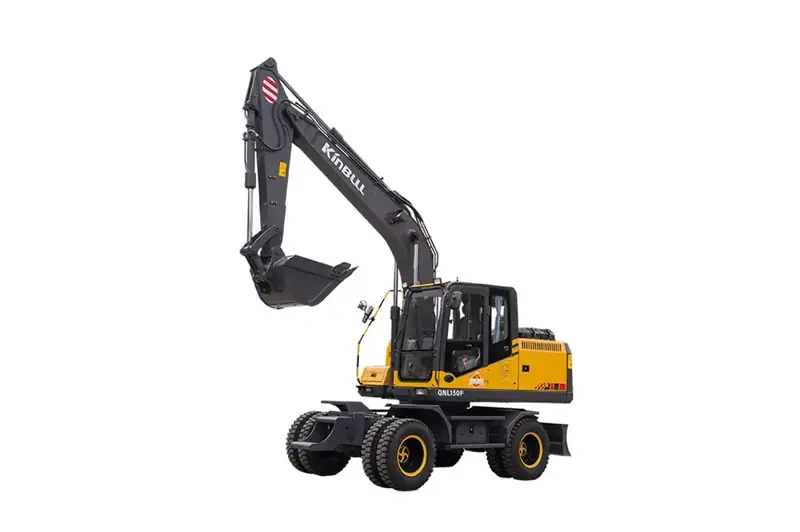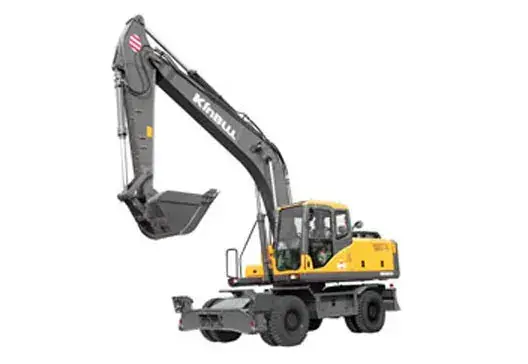
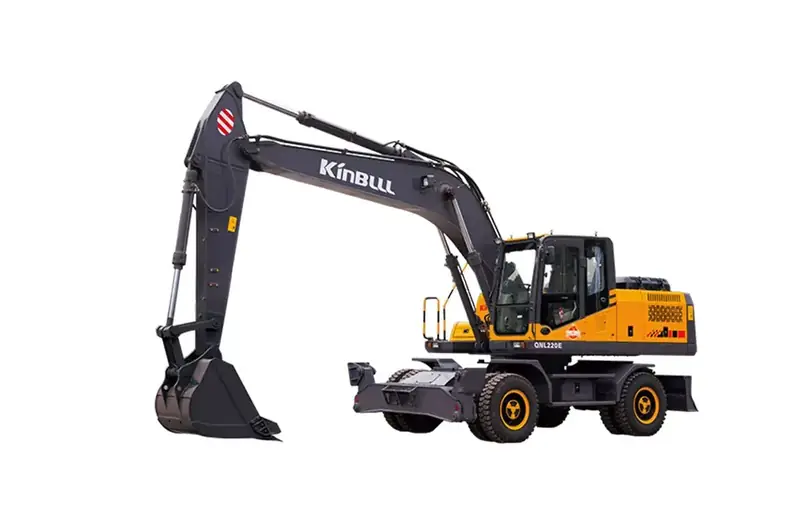
Qinniu QNLW220
Used Qinniu QNLW220 wheeled excavator — reference specifications, condition points and export notes for this model.
The Qinniu QNLW220 is a wheeled digging excavator, a machine class that travels on tyres and is used for general excavation and loading work. It suits utility, road and site tasks where mobility between locations matters. Only the brand, model and machine type are confirmed for this unit.
Description is a class-level reference built from the published specifications above; the exact unit's year, hours and condition are confirmed before payment.
Reference specifications
| Specifications to be confirmed per unit. |
Buying brief: Qinniu QNLW220
The Qinniu QNLW220 is a wheeled digging excavator, a class of machine that combines a digging arm with a rubber-tyred undercarriage so it can travel between jobs under its own power. This type suits utility work, road maintenance, trenching and general construction on firm ground where road travel and quick repositioning matter. The catalogue entry for this model does not list operating weight, bucket capacity or rated power, so the buyer should obtain those figures directly before comparing it with other units. As a guide, wheeled excavators in this size range typically run a bucket of a few tenths of a cubic metre and an engine of roughly 90 to 130 kW, but confirm the actual values for this machine. On site, the wheeled undercarriage gives travel speeds well above a tracked machine, which reduces transport between locations, but it also means the machine relies on outriggers or a blade for stability when digging.
Buyers should weigh the trade-off between mobility and footing, check tyre condition and load rating, and confirm the steering and travel lock work as intended. Attachment compatibility matters too, since a quick coupler and auxiliary hydraulics widen the work the machine can do. Ground conditions, slope and surface type should be matched to the tyre specification. Before paying, inspect the engine for leaks, smoke and steady power, and check the hydraulic system for pressure, hose condition and cylinder seals. Pins and bushes at the boom, arm and bucket show wear quickly on a machine that travels and digs, so check for play.
Wheel hubs, bearings and brakes need attention because road travel loads them differently from track work. Look at the frame and boom for cracks or repairs, and confirm the steering and travel lock function. A short operating test under load reveals more than a static look. Shipping this class normally uses a container where dimensions allow, otherwise a flat rack, RoRo or breakbulk vessel. The choice depends on the unit's real dimensions, particularly height with the boom folded and width over the tyres, and on the destination port's facilities and the sailing schedule.
Buyers should request measured dimensions and weight, confirm whether the boom can be lowered or removed, and check lashing points. The freight method is decided by the actual size of the machine and the route, not by a standard rule.
Common questions
Is a used Qinniu QNLW220 available right now?
What does a used Qinniu QNLW220 cost?
How is a Qinniu QNLW220 shipped from China?
Related reading
How do you inspect a used wheeled excavator?
What does a used wheeled excavator cost?
How are used wheeled excavators shipped from China?
Is there a list of Huaxin wheeled excavator models for export?
Which SDLG (Lingong) wheeled excavators can be sourced from China?
What Lingsheng wheeled excavator models do you have?
Who inspects a used wheeled excavator before it is exported from China?
Who confirms the condition of the machine before the balance payment?