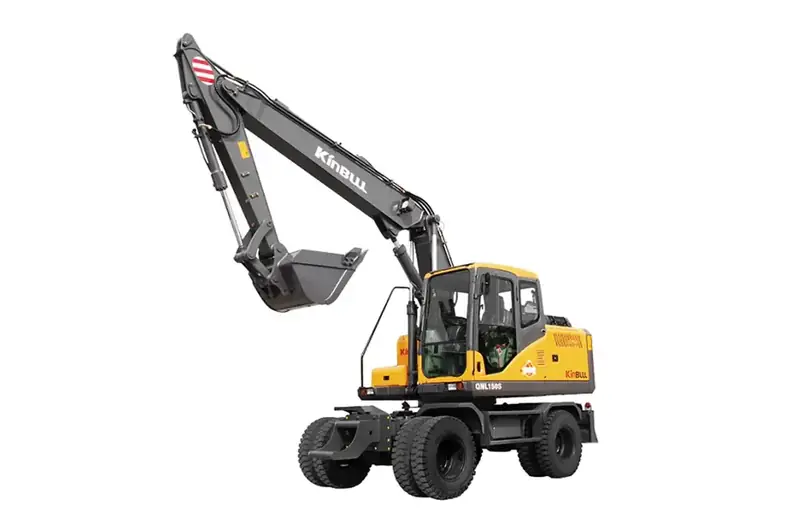
Qinniu QNL220
Used Qinniu QNL220 wheeled excavator — reference specifications, condition points and export notes for this model.
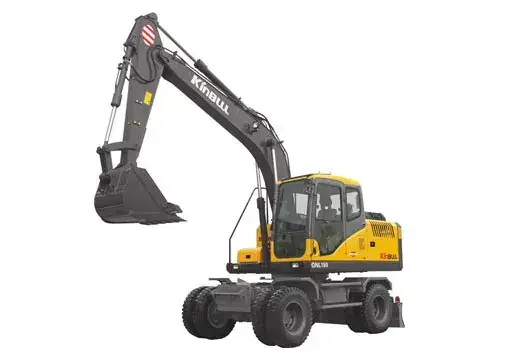
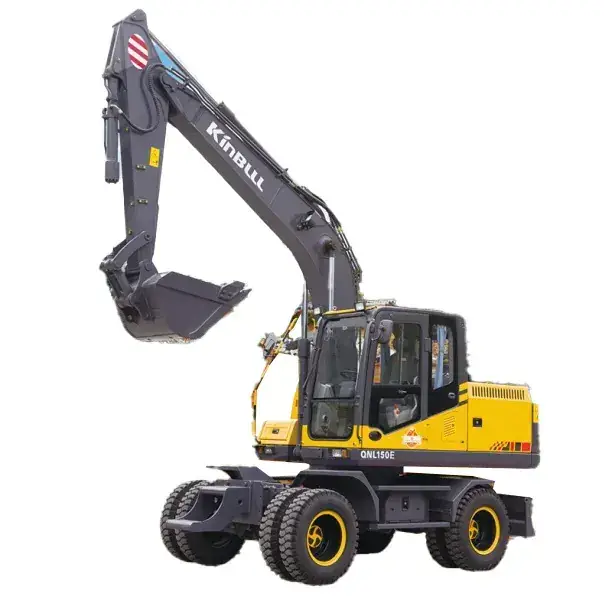
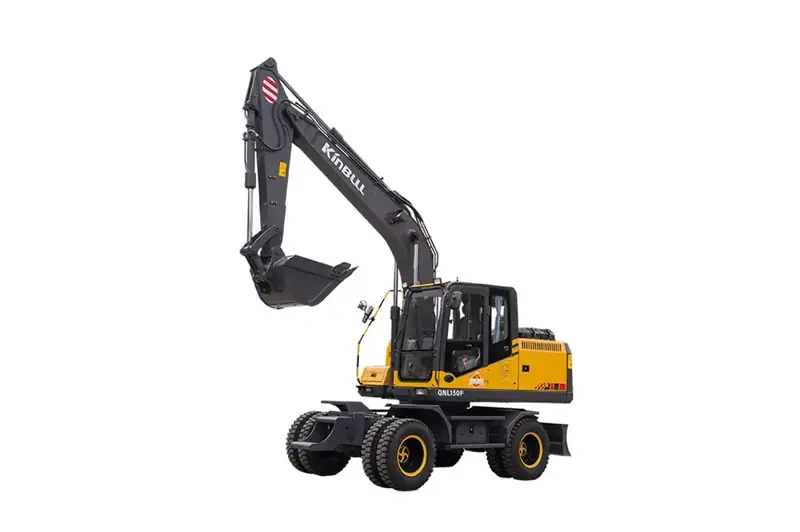
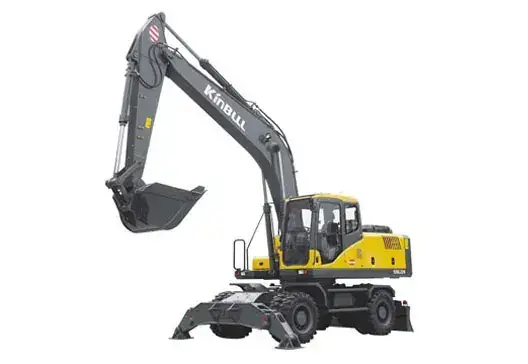
The Qinniu QNL220 is a wheeled digging excavator for general construction and utility work. It is a wheeled digging machine suited to trenching, loading and site preparation tasks, with wheeled travel for moving between jobs.
Description is a class-level reference built from the published specifications above; the exact unit's year, hours and condition are confirmed before payment.
Reference specifications
| Specifications to be confirmed per unit. |
Buying brief: Qinniu QNL220
The Qinniu QNL220 is a wheeled digging excavator with an operating weight of 22 tons, a bucket capacity of 0.9 cubic meters, and a rated power of 125 kilowatts. This class is built for larger earthmoving tasks, including heavy trenching, foundation excavation, and loading in construction and infrastructure projects. The wheeled undercarriage provides mobility on roads and paved surfaces, allowing the machine to move between sites without a low-bed trailer over shorter distances. It suits contractors who need higher digging force and reach than smaller models while retaining the ability to travel on public roads. Typical uses include road construction, utility installation, and bulk excavation in urban and industrial settings. On site, the wheeled undercarriage of this size offers travel speed but requires careful management of stability, particularly when working over the side or on uneven ground.
The buyer should assess the need for outriggers or stabilizers for lifting and heavy digging. Tyre condition and type are critical for traction and load distribution; worn tyres can affect safety and performance. Steering modes influence maneuverability in confined areas, and the travel lock must be engaged during digging to prevent movement. Attachment compatibility, including hydraulic flow and mounting, should be verified for any planned use beyond the standard bucket. These factors determine the machine's suitability for specific job requirements. Inspection should cover the engine for leaks, smoke, and power delivery, and the hydraulic system for leaks, hose condition, and cylinder performance.
Pins and bushes at the boom, arm, and bucket joints should be checked for wear and play, as these are critical for digging accuracy and structural integrity. Wheel hubs need examination for bearing play and seal leaks, and the braking system should be tested for effectiveness. Structural components, including the chassis and boom, should be free of cracks or repairs. Also check the travel lock mechanism, steering response, and tyre condition, as these affect safety and operation. Shipping this size typically uses a flat rack or breakbulk vessel, as the dimensions exceed standard container limits. The actual method is decided by the unit's real dimensions and the destination port's facilities.
For ports with RoRo service, the machine can be driven on and off, which may be efficient for wheeled excavators. Container shipment is unlikely due to size, but could be considered if the machine can be partially disassembled, depending on overall dimensions and weight. The buyer should confirm the loading method with the supplier based on the machine's measurements and the availability of handling equipment at both origin and destination.
Common questions
Is a used Qinniu QNL220 available right now?
What does a used Qinniu QNL220 cost?
How is a Qinniu QNL220 shipped from China?
Related reading
How do you inspect a used wheeled excavator?
What does a used wheeled excavator cost?
How are used wheeled excavators shipped from China?
Which SANY wheeled excavator models are available from China?
Is there a list of Jonyang wheeled excavator models for export?
Which CASE wheeled excavators can be sourced from China?
What Qitianyang wheeled excavator models do you have?
Which Chinese brands build wheeled excavators?