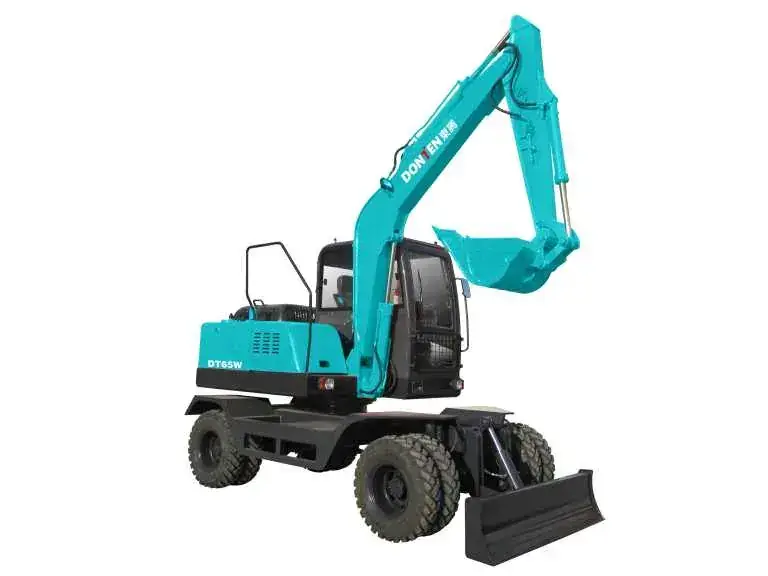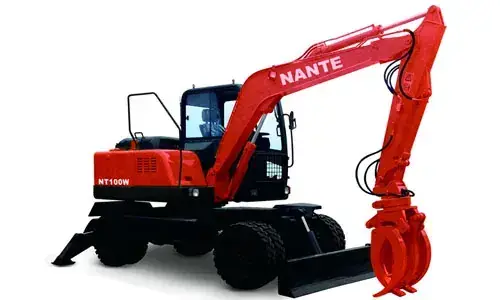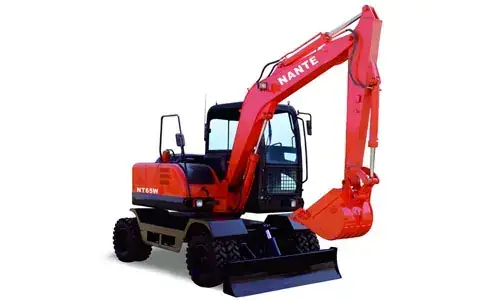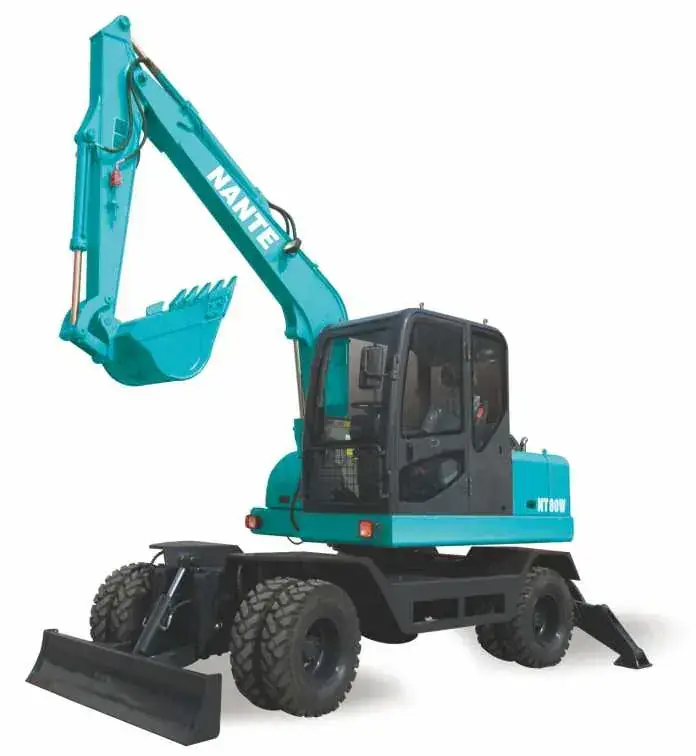
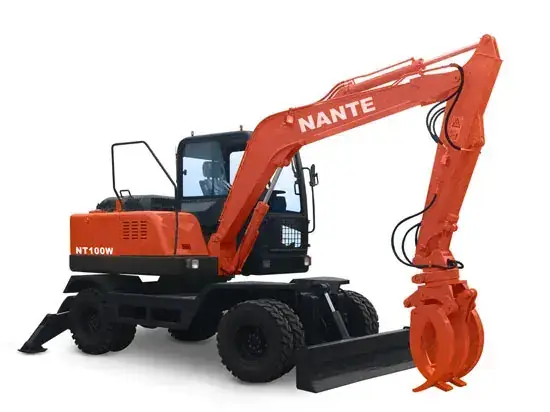
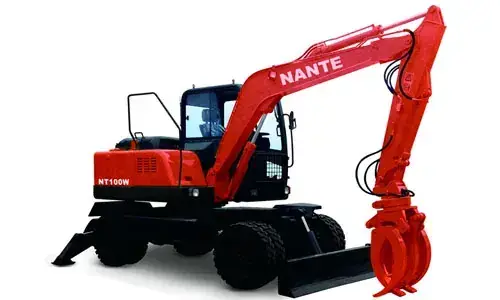
Nante DT80W
Used Nante DT80W wheeled excavator — reference specifications, condition points and export notes for this model.
The Nante DT80W is a wheeled digging excavator for general construction and utility work. It weighs 7200 kg, carries a 0.32 m3 bucket, runs a 50 kW engine, travels 35 km/h and reaches a 3710 mm maximum dig depth for trenching and digging tasks.
Description is a class-level reference built from the published specifications above; the exact unit's year, hours and condition are confirmed before payment.
Reference specifications
| Operating weight | 7200KG |
|---|---|
| Bucket capacity | 0.32m³ |
| Rated power | 50KW |
| Engine | 50KW |
| Travel speed | 35Km/h |
| Max dig depth | 3710mm |
Buying brief: Nante DT80W
The Nante DT80W is a wheeled digging excavator with an operating weight of 7200 kg, a 0.32 cubic metre bucket and rated power of 50 kW. This class suits utility work, trenching, drainage and general site handling where a compact tracked unit would be slow to reposition. Maximum dig depth is 3710 mm, so plan for shallow to medium excavation rather than deep bulk digging. Travel speed is 35 km/h, which helps when moving between scattered jobs on paved roads. The combination of modest weight and a small bucket keeps cycle loads low.
On site the wheeled undercarriage gives road speed and independent mobility that a tracked machine cannot match, but the buyer should weigh stability against that convenience. A 7200 kg chassis on four tyres can feel light when the boom is extended to full reach, so check the travel lock and outrigger arrangement if fitted. Tyre condition, tread pattern and pressure affect traction and flotation on soft ground. Steering geometry and turning circle matter in tight yards. Confirm which attachments the hydraulic circuit supports before committing, since hammer or grab work changes the duty cycle and cooling demand.
Inspection should start with the engine, looking for smoke, oil seepage and coolant condition, then move to the hydraulic system for pump noise, hose condition and cylinder rod scoring. Pins and bushes at the boom, dipper and bucket show wear quickly on this class, so check for play. Wheel hubs and final drives deserve attention for leaks and bearing noise. Brakes and the parking lock are safety items. Inspect the frame and swing area for cracks, and confirm the hour meter and service records are consistent with the machine's condition.
Shipping this size normally uses a container where dimensions allow, otherwise a flat rack or RoRo, with breakbulk as a fallback for awkward routings. The real dimensions of the unit, particularly height with the boom folded and width over the tyres, decide whether a container works. Destination port facilities and the sailing schedule shape the choice between RoRo and flat rack. The buyer should request measured dimensions and a loading plan before booking, and confirm lashing points and any dismantling needed for transport.
Common questions
Is a used Nante DT80W available right now?
What does a used Nante DT80W cost?
How is a Nante DT80W shipped from China?
Related reading
How do you inspect a used wheeled excavator?
What does a used wheeled excavator cost?
How are used wheeled excavators shipped from China?
How is a wheeled excavator loaded into a container?
How should a wheeled excavator be stored and maintained?
Who can help with financing or a letter of credit?
Is a wheeled excavator road legal?
How do you choose between flat rack and RoRo?