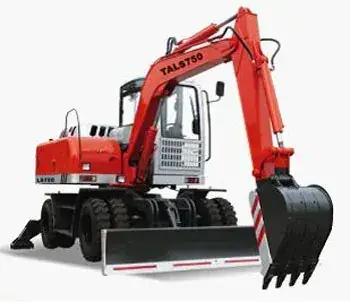
Lishi LS750
Used Lishi LS750 wheeled excavator — reference specifications, condition points and export notes for this model.
The Lishi LS750 is a wheeled digging excavator with a 0.3m3 bucket and a maximum dig depth of 3600mm. This class suits light trenching, utility work and general small-site digging where a wheeled machine is preferred.
Description is a class-level reference built from the published specifications above; the exact unit's year, hours and condition are confirmed before payment.
Reference specifications
| Bucket capacity | 0.3m³ |
|---|---|
| Max dig depth | 3600mm |
Buying brief: Lishi LS750
This compact wheeled digging excavator is offered with a bucket capacity of 0.3 m3 and a maximum dig depth of 3600 mm. That combination places it in the small utility class, suited to trenching, drainage, small foundations, landscaping and general site work where the machine must move between locations under its own power. The digging depth covers many domestic and light commercial excavation tasks. Buyers should treat the listed bucket size as a guide and confirm that the attachment fitted matches the hydraulic capacity of the carrier before committing to a purchase. A wheeled undercarriage on this size of machine allows travel on firm surfaces without a transporter, which suits contractors working across several small sites.
Stability on soft ground depends on tyre condition, inflation pressure and the use of outriggers or a travel lock where provided. Steering and wheel bearings affect handling and tyre wear. Buyers should assess the attachments needed, the hydraulic flow available and the machine's footprint for the intended access routes and yards. Inspection should cover the engine for oil leaks, exhaust condition and cold starting. Hydraulic cylinders, hoses and the pump area should be checked for weeping or unusual noise under load.
Pins and bushes on the boom, dipper and bucket linkage reveal wear that affects digging accuracy. Wheel hubs, brakes and steering need a road test. The main frame and attachment welds should be checked for cracks or repairs. These checks apply to any used wheeled excavator in this class. Shipping this class normally uses a container, flat rack, RoRo or breakbulk vessel, depending on the unit's real dimensions and the destination port.
Length, width and height after folding the boom decide whether a container fits and how much dismantling is needed. Flat racks suit machines that exceed container height or width. RoRo suits ports with roll-on facilities and a machine that can be driven aboard. Breakbulk is used when neither container nor RoRo is practical.
Common questions
Is a used Lishi LS750 available right now?
What does a used Lishi LS750 cost?
How is a Lishi LS750 shipped from China?
Related reading
How do you inspect a used wheeled excavator?
What does a used wheeled excavator cost?
How are used wheeled excavators shipped from China?
Is a wheeled excavator road legal?
How do you choose between flat rack and RoRo?
How do you read wheeled excavator model numbers?
Which Liebherr wheeled excavators can be sourced from China?
What Xinanyuan wheeled excavator models do you have?