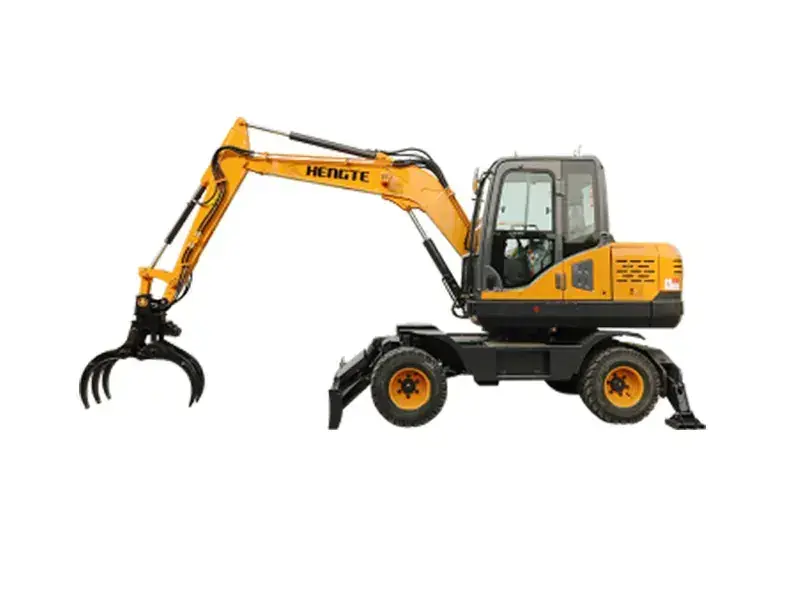
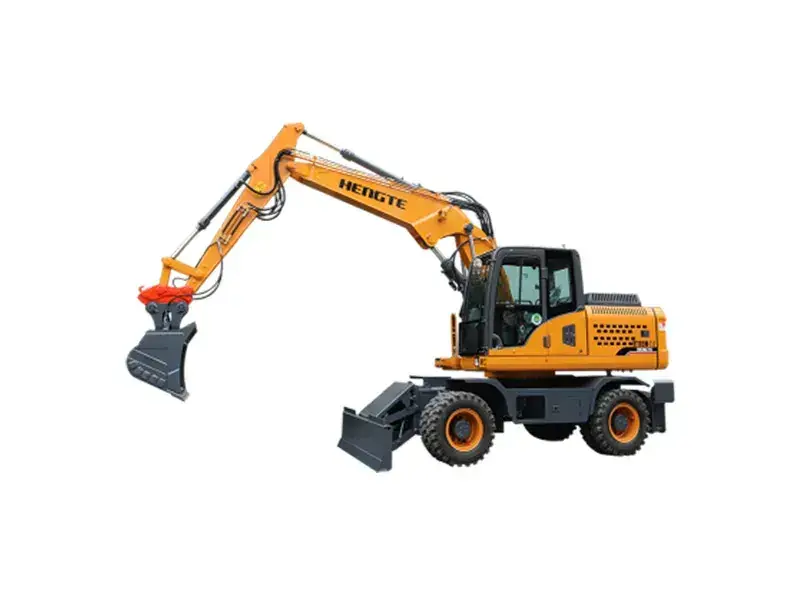
Hunter (Hengte) HTL90
Used Hunter (Hengte) HTL90 wheeled excavator — reference specifications, condition points and export notes for this model.
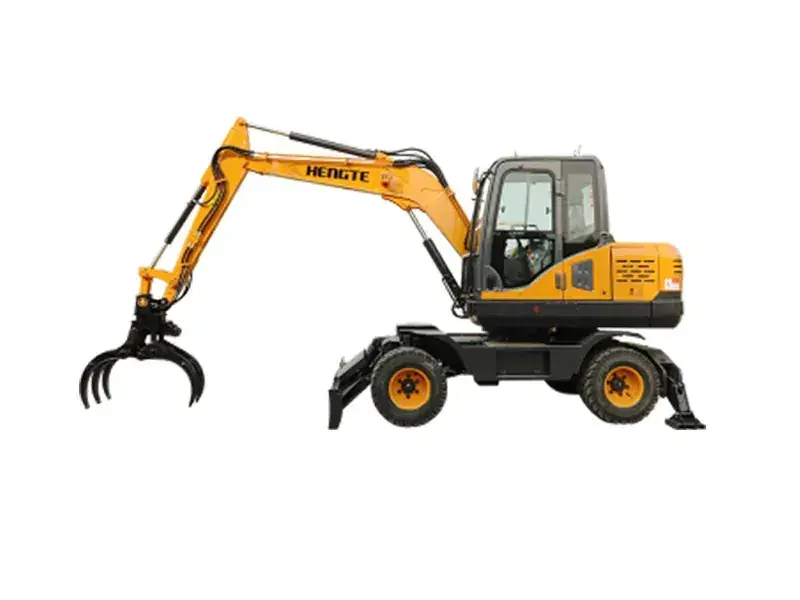
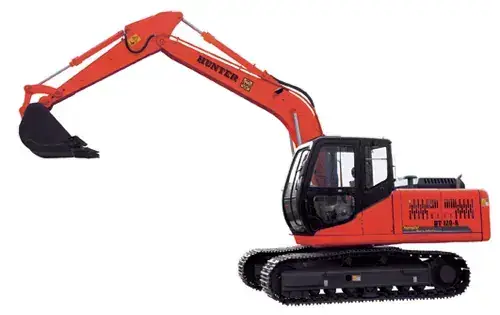
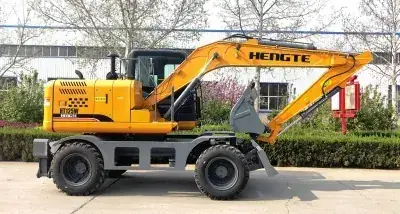
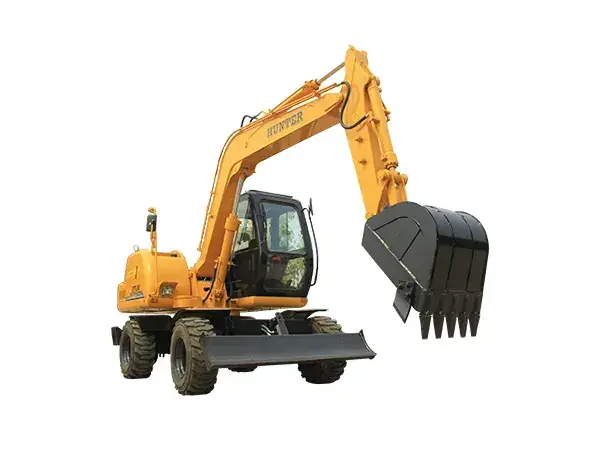
The Hunter (Hengte) HTL90 is a wheeled digging excavator with a 0.36m3 bucket. Its YC4D85Z-T20 engine delivers 60kW at 2200rpm, travel speed is 18km/h and maximum dig depth is 3520mm. It suits light-to-medium trenching, utility work and general site excavation.
Description is a class-level reference built from the published specifications above; the exact unit's year, hours and condition are confirmed before payment.
Reference specifications
| Bucket capacity | 0.36 |
|---|---|
| Rated power | 60/2200 |
| Engine | YC4D85Z-T20 |
| Travel speed | 18 |
| Max dig depth | 3520 |
Buying brief: Hunter (Hengte) HTL90
The Hunter HTL90 is a wheeled digging excavator built around a 0.36 cubic metre bucket and a rated power of 60 kW at 2200 rpm from its YC4D85Z-T20 engine. Machines in this class handle utility trenching, drainage runs, small foundations, landscaping and road maintenance where the work moves between nearby sites. A maximum dig depth of 3520 mm suits shallow to medium excavation and service installation rather than mass earthmoving. Travel speed of 18 km/h lets the machine move between jobs under its own power, which reduces reliance on a transporter for short distances. Buyers should treat it as a compact utility unit with defined limits.
On site the wheeled undercarriage trades flotation for mobility. Four wheels let the machine steer and reposition quickly on paved surfaces and firm ground, and the travel speed supports short road moves. The buyer should weigh stability on slopes and soft ground, tyre type and condition, steering mode, and whether a travel lock or oscillation lock is fitted for digging. Attachment choices such as buckets, breakers and grabs affect balance and hydraulic demand. Confirm the machine suits the ground conditions and the haul distances typical of the intended work before committing.
Inspection should start with the engine, checking for smoke, unusual noise, oil leaks and coolant condition, and with the hydraulic system, looking at pump noise, cylinder seepage, hose condition and contamination in the tank. Check pins and bushes at the boom, arm and bucket for play, and examine wheel hubs, bearings and rims for wear or damage. Test the brakes and the steering on a level surface, and inspect the main frame and boom for cracks or prior repairs. Records of maintenance help but are not a substitute for a hands-on inspection. Shipping method depends on the unit's real dimensions and the destination port.
Compact wheeled excavators often travel in a container where dimensions allow, with the machine prepared and secured; larger or wider units may need a flat rack, RoRo service or breakbulk vessel. The deciding factors are overall length, width and height, weight, and the lifting and ramp facilities at the port of discharge. Confirm measurements before booking, agree the loading method with the forwarder, and check that the destination port can handle the chosen option.
Common questions
Is a used Hunter (Hengte) HTL90 available right now?
What does a used Hunter (Hengte) HTL90 cost?
How is a Hunter (Hengte) HTL90 shipped from China?
Related reading
How do you inspect a used wheeled excavator?
What does a used wheeled excavator cost?
How are used wheeled excavators shipped from China?
What Lingsheng wheeled excavator models do you have?
Who inspects a used wheeled excavator before it is exported from China?
Who confirms the condition of the machine before the balance payment?
Who exports used wheeled excavators to Oceania?
What does a used condition grade mean?