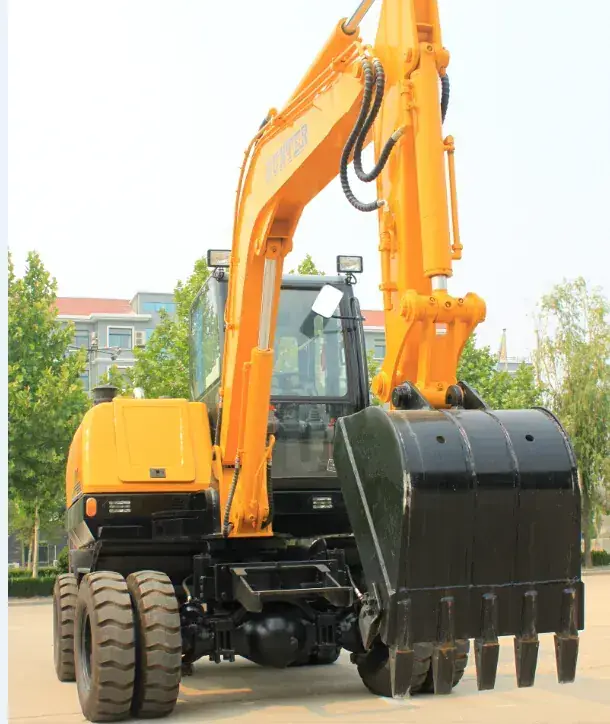
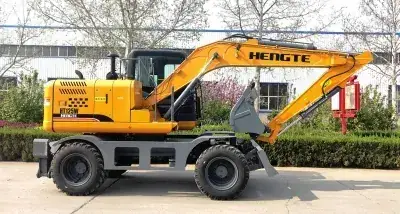
Hunter (Hengte) HT105W-Z
Used Hunter (Hengte) HT105W-Z wheeled excavator — reference specifications, condition points and export notes for this model.
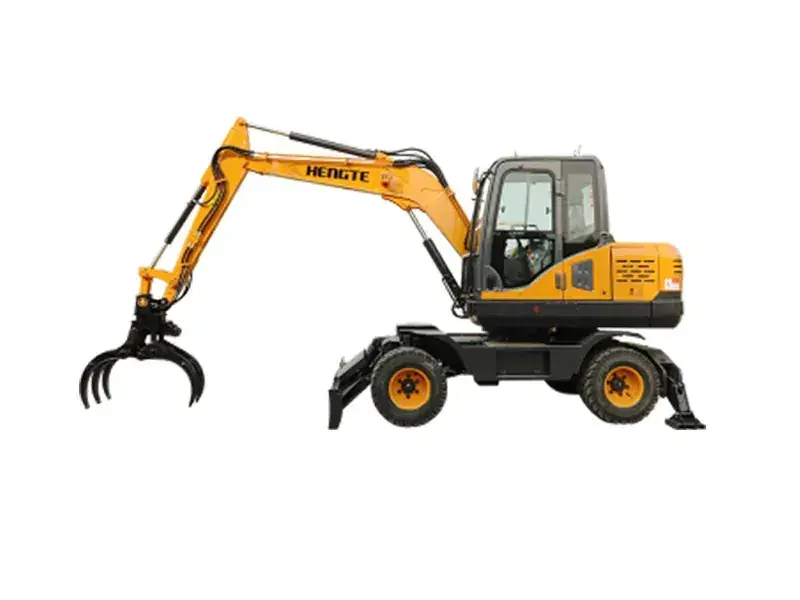
The Hunter (Hengte) HT105W-Z is a material handler fitted with a grab or grapple rather than a digging bucket. It suits lifting, sorting and handling loose or bulky materials on site. Fields such as operating weight, engine and reach are not listed for this model, so confirm details before selection.
Description is a class-level reference built from the published specifications above; the exact unit's year, hours and condition are confirmed before payment.
Reference specifications
| Specifications to be confirmed per unit. |
Buying brief: Hunter (Hengte) HT105W-Z
The HT105W-Z is listed as a material handler with a grab or grapple rather than a digging excavator, so the buying brief differs from a bucket machine. The catalogue entry gives no operating weight, bucket capacity, rated power or dig depth, so the buyer should request these figures before assessing it. Material handlers of this type suit scrap handling, waste sorting, yard loading and lifting work with a grab attachment. Buyers should confirm the attachment type, the hydraulic circuit it needs and the working envelope the machine offers. The intended task should be matched to the machine before any inspection.
On site, a wheeled material handler needs stable footing and a level working area. Stability depends on tyre condition, ground bearing and boom position, so check tyres and pressures before work. Steering play and a functioning travel lock matter for road movement. The grab or grapple affects load at reach, so confirm the machine remains stable with the attachment fitted and that the hydraulic circuit supports it. The buyer should weigh soft ground conditions, where wheels offer less flotation than tracks, and check site access and turning space before committing.
Inspection should cover the engine for smoke, leaks and steady idle, and the hydraulics for pump noise, cylinder seepage and hose condition. Cycle the boom and attachment through full movements to feel pins and bushes for play. Jack each wheel and check hub bearings, and test the brakes on a slope. Examine the chassis, boom and grab mounting for cracks or previous repairs. Confirm the hour meter reading and any service records the seller can show.
Shipping this class usually means moving the unit whole rather than dismantled. The choice between container, flat rack, RoRo and breakbulk depends on the machine's measured dimensions and weight and on the destination port's facilities. A flat rack suits units within its deck limits, while RoRo needs a port with scheduled services and breakbulk suits others. Confirm overall height with the boom stowed and check the port's crane capacity. Ask for measured dimensions rather than relying on catalogue figures.
Common questions
Is a used Hunter (Hengte) HT105W-Z available right now?
What does a used Hunter (Hengte) HT105W-Z cost?
How is a Hunter (Hengte) HT105W-Z shipped from China?
Related reading
How do you inspect a used wheeled excavator?
What does a used wheeled excavator cost?
How are used wheeled excavators shipped from China?
Which Qinniu wheeled excavator models are available from China?
Is there a list of Jiahe wheeled excavator models for export?
Which Volvo wheeled excavators can be sourced from China?
Who can arrange a third-party inspection of a used excavator?
Who exports used wheeled excavators to Africa?