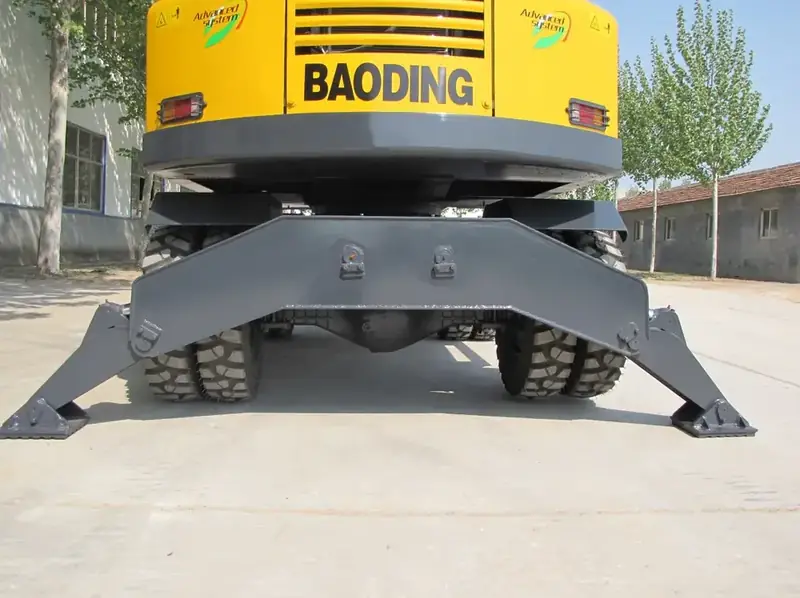
Baoding WYL90-7
Used Baoding WYL90-7 wheeled excavator — reference specifications, condition points and export notes for this model.
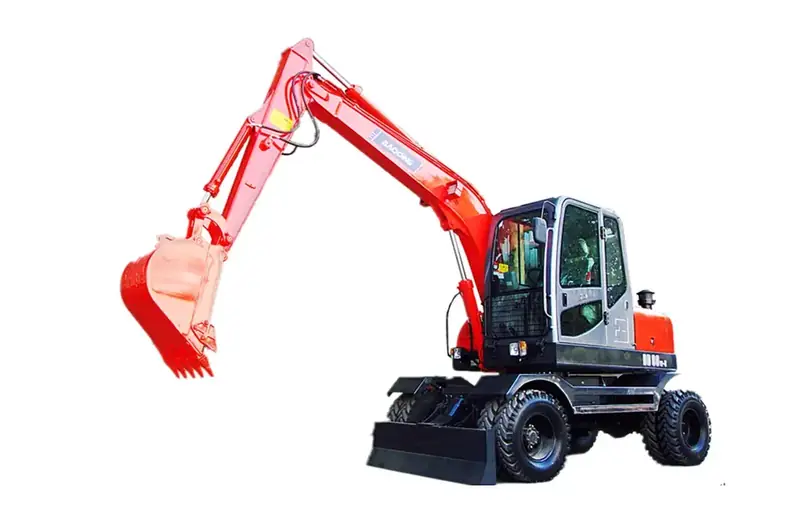
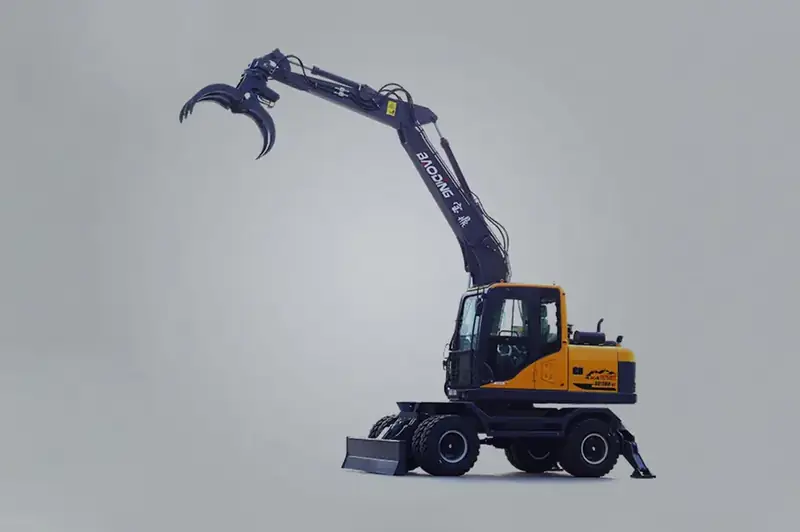
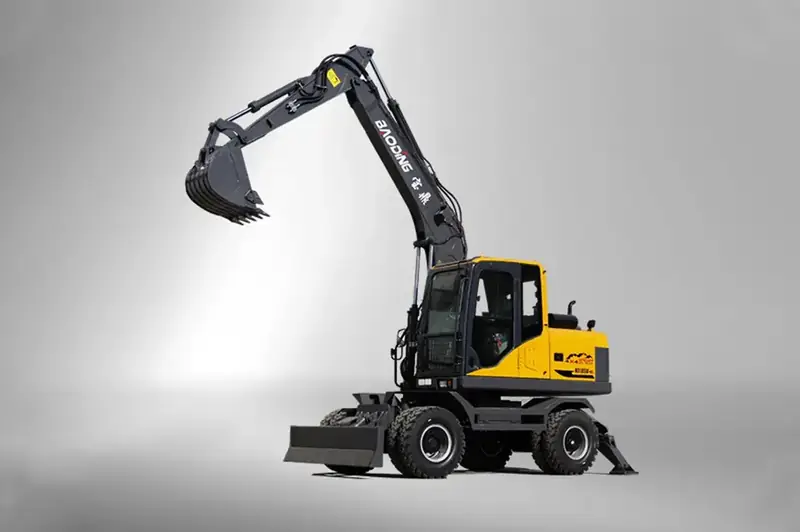
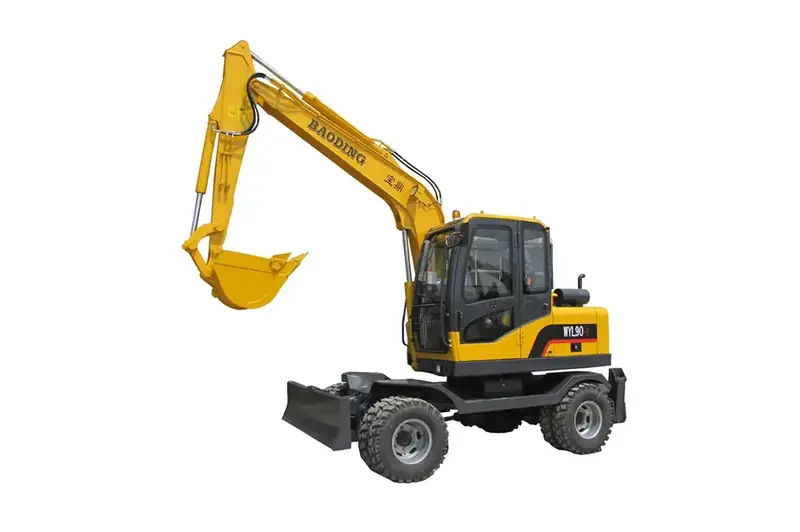
This Baoding WYL90-7 small model is a wheeled digging excavator suited to small to mid-size digging. It has an operating weight of 8.0T, a 0.3m3 bucket, 56kW/2100rpm rated power, a Xinchai engine, and travel speed 0-30km/h.
Description is a class-level reference built from the published specifications above; the exact unit's year, hours and condition are confirmed before payment.
Reference specifications
| Operating weight | 8.0T |
|---|---|
| Bucket capacity | 0.3m³ |
| Rated power | 56kW/2100rpm |
| Travel speed | 0-30km/h |
Buying brief: Baoding WYL90-7
The Baoding WYL90-7 is a wheeled digging excavator, a machine class that combines a digging attachment with a road-capable wheeled undercarriage. This type suits utility work, trenching, site preparation and general construction tasks where the machine must move between locations without a transporter. Its operating weight is 8.0T, its bucket capacity is 0.3m3, and its rated power is 56kW/2100rpm from a engine, with a travel speed of 0-30km/h. These figures should be confirmed against the manufacturer's plate before purchase. On site, a wheeled undercarriage gives this class travel speed and mobility that tracked machines lack, but it also introduces trade-offs.
The machine sits on tyres rather than tracks, so stability depends on tyre condition, wheelbase and any outriggers or blade fitted. Buyers should weigh steering type and turning circle, the presence of a travel lock or transmission brake, and how easily attachments can be changed. Tyre wear and load rating matter because replacements are costly. Ground conditions also affect performance, as soft or uneven surfaces reduce traction and can compromise lifting stability compared with a tracked equivalent. Before paying, inspect the engine for smoke, oil leaks and cold-start behaviour, and check the hydraulic system for pump noise, hose condition and cylinder seepage.
Pins and bushes at the boom, arm and bucket joints show wear that affects precision and cost to repair. Wheel hubs, bearings and brakes need attention because road travel places loads on components that tracked machines do not share. Structural checks should cover the chassis, kingpost and attachment mounting points for cracks or previous repairs, and the electrical and cooling systems should be tested under load. Shipping a wheeled excavator of this size is normally decided by its dimensions and the destination port. Smaller units may travel in a container if they fit within internal limits, but many require a flat rack, roll-on roll-off vessel or breakbulk service.
The loading method depends on overall height with the cab and boom stowed, width over tyres, and weight against crane and ramp limits. Port facilities, sailing frequency and handling costs also influence the choice. The buyer should obtain accurate transport dimensions and confirm the route with the forwarder before committing.
Common questions
Is a used Baoding WYL90-7 available right now?
What does a used Baoding WYL90-7 cost?
How is a Baoding WYL90-7 shipped from China?
Related reading
How do you inspect a used wheeled excavator?
What does a used wheeled excavator cost?
How are used wheeled excavators shipped from China?
Which used wheeled excavator models are the most common overall?
Who exports used wheeled excavators to Russia and Central Asia?
What is FOB and CIF when buying used machinery?
What is the China IV emission standard for non-road machinery?
How is shipping cost calculated for an excavator?